
5 Ways to Secure a Construction Site After Hours with Effective Security Guard Services
Written by: Greg Peters – Military Veteran & Owner of International Security Services
Securing a construction site after hours is crucial to prevent theft, vandalism, and unauthorized access. With the increasing value of construction materials and equipment, ensuring the safety of these assets is a top priority for contractors and site managers. This article explores five effective strategies to enhance security during off-hours, focusing on the role of security guard services. Readers will learn how visible patrols, access control, rapid incident response, advanced surveillance integration, and safety compliance can significantly improve site security. By implementing these strategies, construction sites can mitigate risks and protect their investments. We will delve into each method, providing insights into their effectiveness and practical applications.
1. How Do Visible Security Guard Patrols Deter Theft and Vandalism on Construction Sites?
Visible security guard patrols play a vital role in deterring theft and vandalism on construction sites. The mere presence of security personnel can significantly reduce the likelihood of criminal activity. This deterrent effect is primarily due to the psychological impact that visible security has on potential offenders. When criminals see security guards on patrol, they are less likely to attempt theft or vandalism, knowing that the risk of being caught is higher.
According to a report by the National Equipment Register and National Insurance Crime Bureau, equipment theft costs the industry hundreds of millions annually.
What Are the Benefits of Mobile Patrol Routes for After-Hours Site Security?
Mobile patrols offer several advantages for after-hours site security. First, they provide increased visibility, as guards can cover more ground and check various areas of the site. This unpredictability in patrol routes makes it difficult for potential criminals to anticipate when and where security will be present. Additionally, mobile patrols allow for flexibility in responding to incidents, ensuring that guards can quickly address any suspicious activities or alarms.
How Does Physical Presence Reduce Unauthorized Access and Criminal Activity?
The physical presence of security guards is a powerful deterrent against unauthorized access and criminal activity. Studies have shown that sites with active security personnel experience fewer incidents of theft and vandalism. The guards not only monitor the premises but also engage with visitors and personnel, reinforcing the message that the site is being actively protected. This proactive approach helps to create a safer environment for both workers and equipment.
2. How Do Security Guards Enforce Access Control to Protect Construction Sites After Hours?
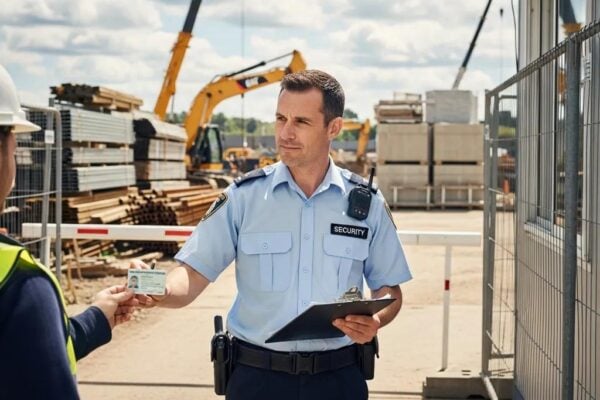
Access control is a critical component of construction site security, particularly after hours. Security guards are responsible for managing entry and exit points, ensuring that only authorized personnel can access the site. This enforcement of access control helps to prevent unauthorized individuals from entering the premises, thereby reducing the risk of theft and vandalism.
What Are the Key Duties of Guards in Managing Entry and Exit Points?
Guards have several key duties when it comes to managing entry and exit points. These include conducting ID checks, maintaining logs of site access, and monitoring visitor movements. By verifying the identity of individuals entering the site, guards can ensure that only authorized personnel are allowed access. This process not only enhances security but also helps to maintain a record of who is on-site at any given time.
How Does Visitor and Personnel Verification Prevent Unauthorized Site Access?
Visitor and personnel verification is essential for preventing unauthorized access to construction sites. Security guards utilize various methods to verify identities, such as checking identification cards and maintaining visitor logs. This verification process is crucial in ensuring that only those with legitimate reasons to be on-site are allowed entry, thereby minimizing the risk of theft and other criminal activities.
3. In What Ways Do Security Guards Provide Rapid Incident Response on Construction Sites?
Rapid incident response is another critical function of security guards on construction sites. In the event of an alarm activation or suspicious activity, guards are trained to respond quickly and effectively. This immediate response capability is essential for minimizing damage and ensuring the safety of personnel and assets.
How Do Guards Respond to Alarms and Suspicious Activities After Hours?
When an alarm is triggered or suspicious activity is detected, security guards follow established protocols to assess the situation. They may investigate the source of the alarm, check for signs of forced entry, and determine whether any unauthorized individuals are present. This swift action can prevent potential theft or damage, ensuring that the site remains secure.
What Role Do Security Guards Play in Coordinating Emergency Services?
In addition to responding to alarms, security guards play a vital role in coordinating with emergency services. In the event of a significant incident, such as a fire or medical emergency, guards can quickly contact the appropriate authorities and provide them with essential information. This coordination is crucial for ensuring a timely response and minimizing the impact of the incident on the construction site.
4. How Are Security Guards Integrated with Advanced Surveillance Technology for Site Protection?

The integration of security guards with advanced surveillance technology enhances the overall security of construction sites. By combining human oversight with technological tools, sites can achieve a higher level of protection against theft and vandalism.
How Do Guards Monitor AI-Powered Cameras and Alarm Systems in Real Time?
Security guards are trained to monitor AI-powered cameras and alarm systems in real time. These systems provide valuable data and alerts, allowing guards to respond quickly to potential threats. The combination of human judgment and advanced technology ensures that any suspicious activity is addressed promptly, reducing the risk of incidents.
What Advantages Do Guards Provide Over Passive Surveillance Alone?
While passive surveillance systems, such as cameras, are essential for monitoring, they lack the proactive response capabilities of security guards. Guards can assess situations in real time, make decisions based on their training, and take immediate action if necessary. This human element is crucial for effective site security, as it allows for a more dynamic response to potential threats.
ASIS International notes that combining trained security personnel with surveillance technology provides a higher level of protection than technology
5. How Do Security Guards Ensure Safety Compliance and Risk Management After Hours?
Security guards also play a vital role in ensuring safety compliance and risk management on construction sites after hours. Their presence helps to enforce safety protocols and identify potential hazards that could lead to accidents or injuries.
What Safety Hazards Can Guards Identify and Report During After-Hours Patrols?
During their patrols, security guards are trained to identify various safety hazards, such as unsecured equipment, hazardous materials, and unsafe working conditions. By reporting these issues, guards can help prevent accidents and ensure that the site remains compliant with safety regulations. This proactive approach not only protects workers but also minimizes liability for the construction company.
How Do Guards Enforce Equipment Storage and Site Protocols to Prevent Losses?
Guards are responsible for enforcing equipment storage and site protocols to prevent losses. This includes ensuring that all tools and materials are securely stored and that access to sensitive areas is restricted. By maintaining strict adherence to these protocols, security guards help to safeguard valuable assets and reduce the risk of theft or damage.
| Security Measure | Description | Benefit |
|---|---|---|
| Visible Patrols | Regular patrols by security personnel | Deters theft and vandalism |
| Access Control | Management of entry and exit points | Prevents unauthorized access |
| Incident Response | Quick response to alarms and suspicious activities | Minimizes damage and ensures safety |
| Surveillance Integration | Use of advanced technology alongside guards | Enhances monitoring and response capabilities |
| Safety Compliance | Enforcement of safety protocols | Reduces risk of accidents and liabilities |
The integration of these security measures creates a comprehensive approach to protecting construction sites after hours. By employing visible patrols, enforcing access control, ensuring rapid incident response, integrating advanced surveillance technology, and maintaining safety compliance, construction companies can significantly enhance their security posture and protect their valuable assets.