
Fortifying High‑Volume Dallas Distribution Centers with On‑Site Security Guards
Written by: Greg Peters – Military Veteran & Owner of International Security Services
What unique security challenges do high‑volume Dallas distribution centers face?
High‑volume distribution centers concentrate fast inventory turnover, multiple entry points, and steady truck traffic — a combination that raises the risk of cargo theft and unauthorized access. These sites have many simultaneous touchpoints — dock doors, yard staging areas, gatehouses and visitor check‑ins — so a single process gap can cascade into lost product or operational downtime. Heavy vehicle flow and overnight staging widen exposure windows, while third‑party carriers and 3PL handoffs create coordination and credential challenges. Recognizing these operational stressors helps teams prioritize visible deterrence, tighter access enforcement and clear procedural controls.
The sections that follow break these areas into specific threat types and internal vulnerabilities, then outline practical mitigations.
For some more tips on how to secure your warehouse or distribution center, check out this article.
How does cargo theft affect Dallas warehouses?
In Dallas, cargo theft commonly looks like trailer theft, targeted load interdiction and opportunistic losses during staging or loading — all of which drive direct financial loss and secondary operational costs. Recovery, claims and schedule disruption increase expenses and damage reputations for shippers and 3PLs. When a major hub is hit, downstream schedules and retail availability can be disrupted, forcing expedited shipments and costly inventory replacement. Logistics teams should treat cargo‑theft prevention as an operational priority and apply layered controls.
Common cargo theft loss channels:
- Trailer hijacking or theft during overnight staging.
- Targeted theft of high‑value SKUs during loading or staging.
- Opportunistic theft from unattended trailers or unsecured yard areas.
These examples show why perimeter, yard and in‑transit layers are essential to protect the supply chain.
What internal risks affect distribution center security?
Internal pilferage and credential misuse drive persistent shrinkage — and technology alone won’t stop it without process and human controls. Typical vectors include unauthorized access to high‑value SKUs, collusion during loading, and falsified records that mask loss. Detection depends on analytics‑driven exception reporting, randomized audits and observation protocols that incorporate guard spot checks. With discrete access permissions, physical segregation of high‑value items and guard‑led escorts, facilities can materially reduce internal loss cycles. The next section explains how on‑site guards put these controls into practice every day.
You can read more about various threats to warehouses and distribution centers here.
How do on‑site security guards improve warehouse security in Dallas?
On‑site guards deliver visible deterrence, enforce access controls, run scheduled and exception patrols, verify alarms and analytics alerts, and coordinate emergency response and documentation. They act as the human verification layer for CCTV and alarm systems — cutting false positives and enabling decisive action when incidents are real. Their presence shortens response times and strengthens chain‑of‑custody during driver handoffs and escorted loads.
The table below compares common guard models and their operational attributes to help logistics managers choose the right fit for a facility.
| Guard Type | Key Attribute | Operational Value |
|---|---|---|
| Armed Security Guards | Deterrence and escalation capability | Strong deterrent for higher‑risk sites; supports containment when legally authorized |
| Unarmed Security Guards | Access control and observation | Cost‑effective for gate processing, visitor checks and foot patrols |
| Mobile Patrol Services | Flexible area coverage | Efficient for multi‑site or large yards with randomized presence |
This side‑by‑side clarifies trade‑offs among deterrence, cost and legal scope to guide selection based on site risk.
What roles do armed and unarmed guards play in distribution centers?
Armed and unarmed guards perform complementary duties depending on threat level, insurance requirements and facility policy. Armed guards offer higher deterrence and a greater escalation scope when justified by local conditions or inventory value. Unarmed guards provide continuous access control, customer‑facing checks and routine patrols that reduce opportunity theft. Proper training, licensing and clear rules of engagement ensure guards integrate safely with operations and local law enforcement when incidents escalate.
Next, we look at how guards improve access control workflows and visitor management in practice.
EAV summary: Select guard types based on risk assessment, budget considerations and coordination with carriers and insurers.
How do security guards improve access control and visitor management?
Guards enforce gate checklists, verify driver IDs and manifests, manage staged vehicle flow and maintain digital visitor logs that tie people to specific loads and time windows. They serve as the primary interface for access readers and manual verification when credentials are missing or suspicious, and they perform seal checks and document chain‑of‑custody at load points. Standard procedures — driver ID check, seal inspection, log entry and escorted movement for high‑value items — reduce ambiguity during handoffs and speed dispute resolution. Regular training and aligned SOPs between operations and security make these checks efficient rather than obstructive, improving throughput while reducing loss.
What technology integrations support security in Dallas distribution centers?

Integrated technologies — CCTV, video analytics, alarms and access control — multiply the effectiveness of on‑site guards by improving detection and cutting response times. Analytics can flag loitering, zone breaches and unexpected vehicle movement, sending prioritized alerts to guards for verification. Alarm panels and sensors give perimeter and door breach signals that are triaged through a verification workflow involving guards and central monitoring where applicable. Access control systems create auditable entry records guards can reference during investigations.
The table below compares common technologies by detection capability and how they integrate with guard response to inform phased adoption.
| Technology | Detection Capability | Integration with Guard Response |
|---|---|---|
| CCTV Systems | Visual coverage of docks, yards and staging areas | Supports forensic review and live verification by guards |
| Video Analytics | Automated anomaly detection (loitering, zone entry) | Triggers prioritized guard dispatch and camera‑guided verification |
| Alarm Systems | Point detection (doors, motion, perimeter) | Requires SLA‑driven guard verification and escalation workflows |
| Access Control | Credential verification and audit logs | Supports gate checks and investigation trails |
In short: choose technologies that integrate cleanly with guard workflows to speed resolution and improve loss metrics.
How are CCTV and video analytics used in warehouse security?
CCTV placed at docks, yard entrances, high‑value staging zones and pick areas creates continuous visual records for deterrence and investigation. Video analytics add automation by flagging loitering, tailgating and unauthorized zone entries, reducing the monitoring burden and surfacing higher‑probability incidents for guard response. Guards use live video to verify alarms before physical engagement, conserving resources and improving officer safety. Retention policies and clear evidence‑handling procedures ensure footage supports insurance claims and law enforcement investigations when needed.
The next subsection outlines alarm integration and recommended response SLAs.
What role do alarm and integrated security systems play?
Alarm systems — perimeter sensors, door contacts and motion detectors — provide immediate notice of potential intrusion and should tie into access control and VMS platforms so guards see unified events. A common event flow: alarm trigger → video verification → guard dispatch → escalate to law enforcement if verified. That sequence minimizes false alarms and documents response. Recommended SLAs include verification within 5–10 minutes and defined on‑site arrival windows based on site size and layout. Clear SOPs linking sensor types to guard actions maintain consistency and measurable performance.
What are effective cargo‑theft prevention strategies for Dallas logistics facilities?
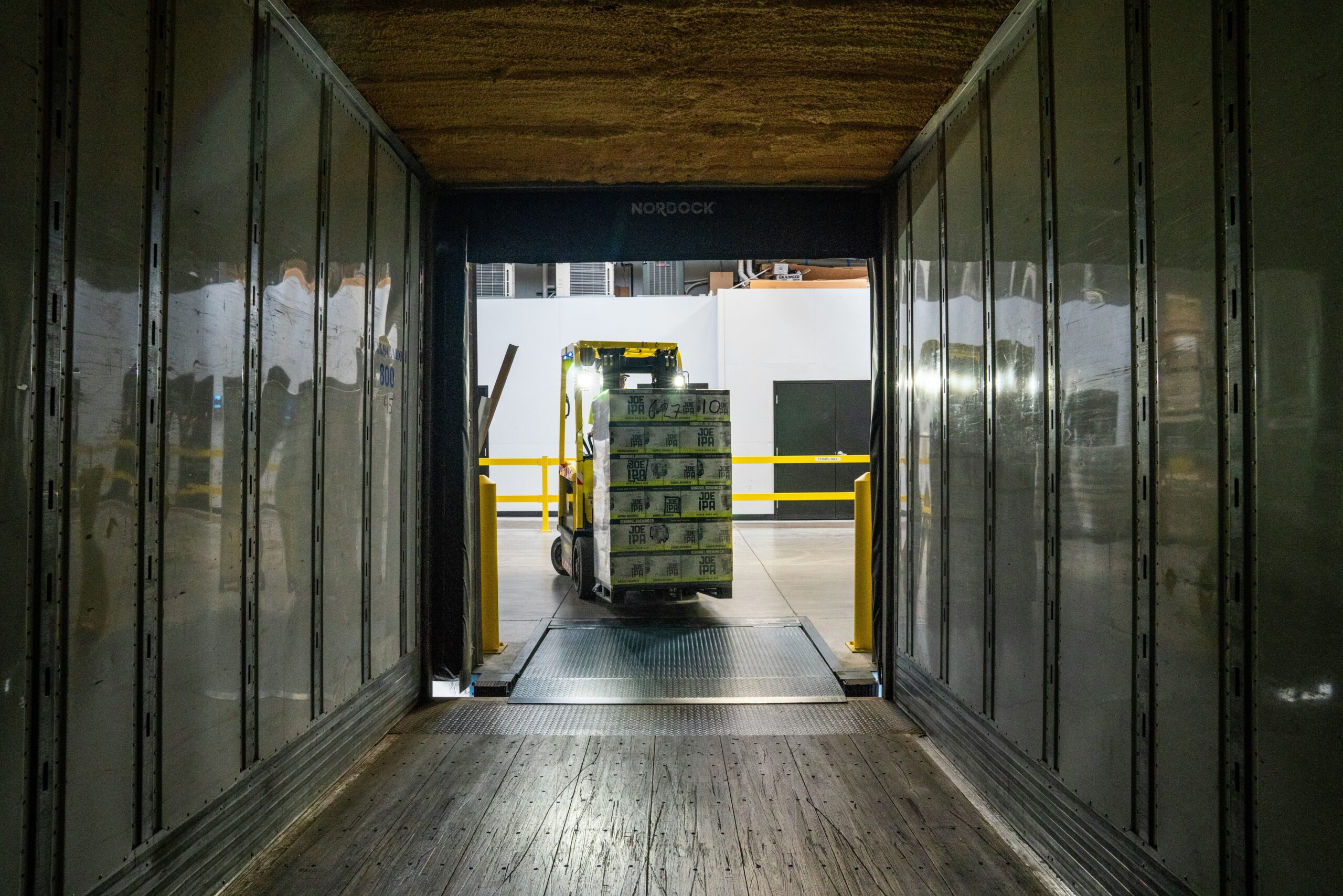
Preventing cargo theft requires layered controls across yard, dock and in‑transit phases that combine process, people and technology. Effective programs include secure yard management, strict gatehouse procedures, seal verification, escorted loads for high‑value shipments and coordinated carrier communication. A simple, repeatable sequence — verification at entry, controlled staging, monitored loading and documented handoff — reduces theft opportunities while keeping throughput smooth.
The table below maps common countermeasures to the risk reduced and the responsible actor for clarity and accountability.
| Countermeasure | Risk Mitigated | Responsible Actor |
|---|---|---|
| Gatehouse credential checks | Unauthorized access / credential misuse | Guard + Operations |
| Sealed trailer verification | Load tampering / trailer theft | Guard + Driver |
| Escorted load protocol | Targeted theft of high‑value SKUs | Guard + Warehouse Staff |
| Staggered staging & triage | Opportunistic theft during crowding | Operations + Mobile Patrol |
How is yard and in‑transit security managed?
Yard security relies on triage procedures that route trucks to designated staging zones, driver ID checkpoints and visible patrols to deter opportunistic theft. A practical yard workflow includes arrival check‑in, credential and load documentation verification, assigned staging location, seal checks before departure and an escort for high‑value shipments.
In transit, pre‑verified carrier credentials and clear communication protocols let security respond quickly if deviations occur. Guards provide on‑site continuity by recording handoffs and verifying seals at dispatch, reducing in‑transit vulnerability. The next subsection explains secure staging and handling for high‑value items.
Cargo‑theft prevention checklist:
- Verify Driver Credentials: Confirm IDs and manifests before gate entry.
- Assign Staged Locations: Minimize time trucks spend in unsecured areas.
- Escort High‑Value Loads: Use documented escorts from staging to loading.
- Perform Seal Verification: Record seals at receipt and departure.
These steps form the foundation for yard security and shrink exposure windows in high‑volume operations.
How are high‑value products protected in distribution centers?
Protect high‑value SKUs by segregating them into locked cages or controlled staging zones, enforcing restricted access lists and using documented escort protocols with dual verification at pickup and release. Guards enforce limited‑access policies by checking credentials, controlling egress routes and supervising loading when high‑value shipments are present. Double‑seal procedures and photographic records during handoffs create a clear chain‑of‑custody for investigations. Pairing physical segregation with analytics‑driven exception alerts strengthens detection and enables rapid containment of attempted theft.
Practical note: Local, veteran‑owned providers based in Flower Mound, Texas deploy trained on‑site guards and mobile patrols to operationalize escorted loads, gatehouse credentialing and seal verification for Dallas‑area distribution centers. These teams work with facility staff to translate the checklist above into SOPs enforced 24/7 and tailored to each site’s throughput and risk profile.
How can loss prevention strategies reduce inventory shrinkage in Dallas warehouses?
Effective loss prevention for distribution centers blends process controls, technology detection and guard verification to lower shrinkage and improve recovery. Programs include regular cycle counts, randomized audits, exception reporting and guard spot checks tied to analytics alerts. Employee screening and role‑based access limit internal opportunity, while CCTV analytics identify patterns that prompt targeted audits. Continuous measurement — tracking shrinkage percentage, response time and audit findings — drives improvement and demonstrates ROI for security investments.
What methods detect and prevent internal pilferage?
Detect internal pilferage with inventory analytics that flag anomalies, randomized physical audits that reconcile records, and guard observation routines including spot escorts during picking and loading. Behavioral indicators — unexplained shortcuts, repeated unsupervised access or pattern anomalies — should trigger prompt review and targeted camera playback. Guards support these controls by conducting random walk‑throughs, supervising high‑risk areas and documenting suspicious activity for operations to investigate. Together, these methods reduce shrinkage by combining proactive detection with on‑the‑ground deterrence.
Inventory audit procedures:
- Run randomized cycle counts focused on high‑value SKUs at varied intervals.
- Use exception reporting to prioritize areas with discrepancies.
- Assign guard escorts during recounts to protect chain‑of‑custody.
- Enforce role‑based access to warehouses and pick zones.
These practices create an audit‑ready environment and shrink internal loss opportunities.
How do security audits improve facility security?
Operational and technical security audits reveal process gaps, misconfigured technology and training needs that guards and operations can fix through updated SOPs. A typical audit reviews gatehouse procedures, CCTV coverage maps, alarm integrations, access permissions and incident response timelines. Translate findings into prioritized remediation actions — adjust patrol routes, update verification checklists and schedule refresher training for guards and staff. Measuring improvements against KPIs like response time and shrinkage validates the audit and guides resource allocation for ongoing security gains.
Audit checklist example:
- Review Gate Procedures: Verify driver ID and manifest checks are consistently applied.
- Map Camera Coverage: Find blind spots at docks and yards.
- Test Alarm‑Guard Workflow: Simulate events to confirm SLAs and escalation paths.
Why choose International Security Services for Dallas distribution center security?
International Security Services delivers local, veteran‑owned security solutions from Flower Mound, Texas tailored to the realities of Dallas‑area distribution centers. We offer armed and unarmed guard and patrol services, including mobile patrols and customized security plans for manufacturing and logistics operations across North Texas. As a veteran‑operated provider, we emphasize disciplined procedures, 24/7 coverage and collaborative SOP development with client operations teams. For distribution center managers who need yard control, escorted loads and reliable alarm verification, we provide regional experience and hands‑on service delivery.
What experience and local expertise does International Security Services bring?
International Security Services maintains a regional presence in Flower Mound with service coverage across North Texas, including Dallas, supporting manufacturing and logistics clients. Our veteran background informs operational discipline, clear chain‑of‑command and a training focus that results in consistent on‑site performance. Offerings include armed and unarmed guard deployments, mobile patrols and tailored security programs sized to facility throughput and risk. These capabilities make IIS a practical, on‑the‑ground partner for operators seeking human‑centered security integrated with technology.
Beyond industrial and logistics sites, International Security Services also serves residential communities. For property managers, specialized gated‑community solutions are available to protect residents and manage access. Services include dedicated patrols and advanced access control systems designed for private communities.
How do customized security solutions meet facility needs?
Customized solutions begin with a site assessment to surface vulnerabilities, followed by a risk‑driven staffing model that sets patrol intervals, gatehouse coverage and escort procedures. A pilot deployment tests SOPs — credential checks, seal verification and alarm verification — while we track metrics like response time and shrinkage. Ongoing reviews let us adjust staffing, patrol routing and tech integrations to balance cost and security outcomes. For operators focused on measurable improvement, this iterative model aligns guard activity with operational KPIs and drives sustained reductions in inventory loss.
Call to action: For Dallas distribution centers seeking an assessment or site‑specific proposal, International Security Services provides tailored planning and pilot options that turn these tactics into enforceable SOPs and measurable KPIs.
Conclusion
Deploying on‑site security guards at high‑volume Dallas distribution centers strengthens defenses against cargo theft and internal pilferage. Guards deter unauthorized access, tighten access control and streamline visitor management without unduly slowing operations. With a tailored security plan, facilities can reduce risk and protect valuable inventory. Contact International Security Services to discuss customized security options that fit your facility and operational goals.